
A first-hand account of the research behind fire-resilient homes
Abby Ross, CEO, The Resiliency Company
We can keep homes survivable and insurable from fire. And that’s the norm for how we should be building, rebuilding, and rehabbing them.
Last week I went to the Insurance Institute for Business & Home Safety - IBHS in Richburg, SC. I stood with an esteemed group of practitioners, researchers, and fire chiefs from California, Colorado, New Mexico, Hawai’i and Oregon as IBHS’s researchers mimicked conditions in an urban conflagration - when a wildfire enters a community and spreads from structure to structure.
The goal of the research burn was to see how an IBHS Wildfire Prepared Plus Home survives when a typical, code-built home 20 feet away catches fire. It started with a stack of crates next to the code-built home; the home caught fire quickly and burned over about 15-20 minutes. The fire was blown by a gigantic fan that created a 50 mph wind, simulating high risk conditions. Embers flew off it in a bright orange shower with all the menace needed to burn down an entire neighborhood.
And yet, the Wildfire Prepared Plus model house next to it did not catch fire.
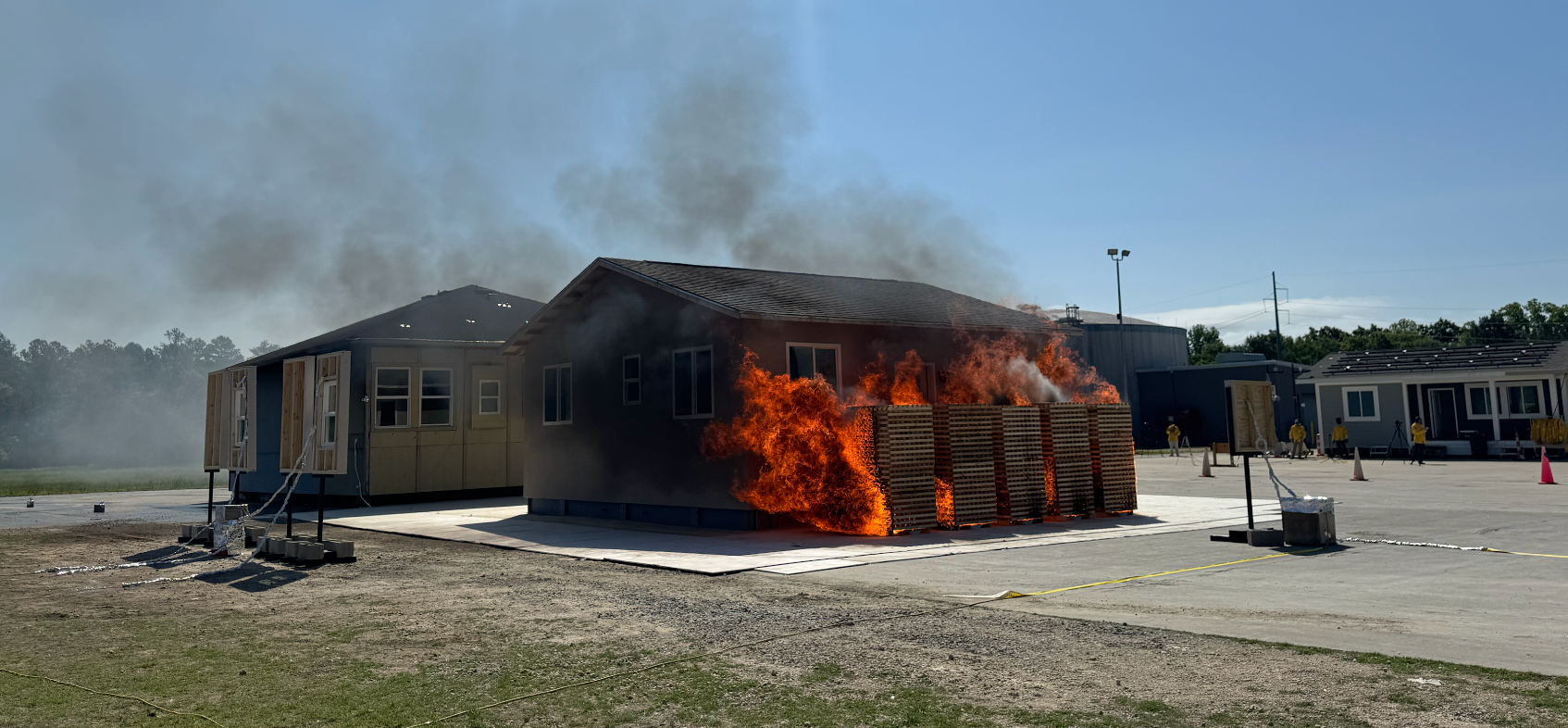
Image of the two structures at IBHS Research Center during a research burn
It was hard to believe my eyes even though I knew the evidence. Through the work of IBHS and other research organizations, we have the knowledge and technology required to be protected when wildfire enters a community and becomes an urban conflagration. But it’s one thing to ‘know’ something and quite another to see it happening right in front of you.
At The Resiliency Company, we’ve been working with IBHS in Los Angeles. After the fires in Altadena and the Palisades in January 2025, we set up Resilient Los Angeles, a local initiative to empower communities to rebuild to wildfire-resilient standards. It’s been interesting to see what it takes to put the knowledge into practice, to enable homeowners to rebuild their houses in a way that protects them from future fires. Through this work, we’ve learned three things:
Homeowners need to know that the evidence exists and demand the building products that will make their next homes safe.
Meeting that demand requires the house-building system to respond accordingly. Right now, the system is oriented towards building what we’re already building, the structures that are ill-equipped to handle the increasing risk of fire.
We need to help homeowners to access capital, whether as loans or grants, to pay for the slightly more expensive materials needed.
Resilient Los Angeles is working on all of these fronts. We’ll soon have a website to help homeowners understand the evidence. We’re working with key players in the local house-building system to ensure that there is capacity to build fire-resilient homes. And we’ve established a fund for lenders and grant makers to make capital available to homeowners on terms that match their financial resources.
Most of my working days are spent at a computer, so going to see the IBHS standard put to the test was an opportunity to build confidence and conviction in the efficacy of our program - and more importantly - the outcomes for our mission.
Leaving the event, I had a swell of hope and excitement about the level of evidence we have for keeping homes safer from wildfire. The rigor, the care, the way science is then translated into a standard and then adapted based on the realities of our built environment, it’s all so impressive. The knowledge and interventions exist - now we need to apply them to make resilient homes the norm for how we build.
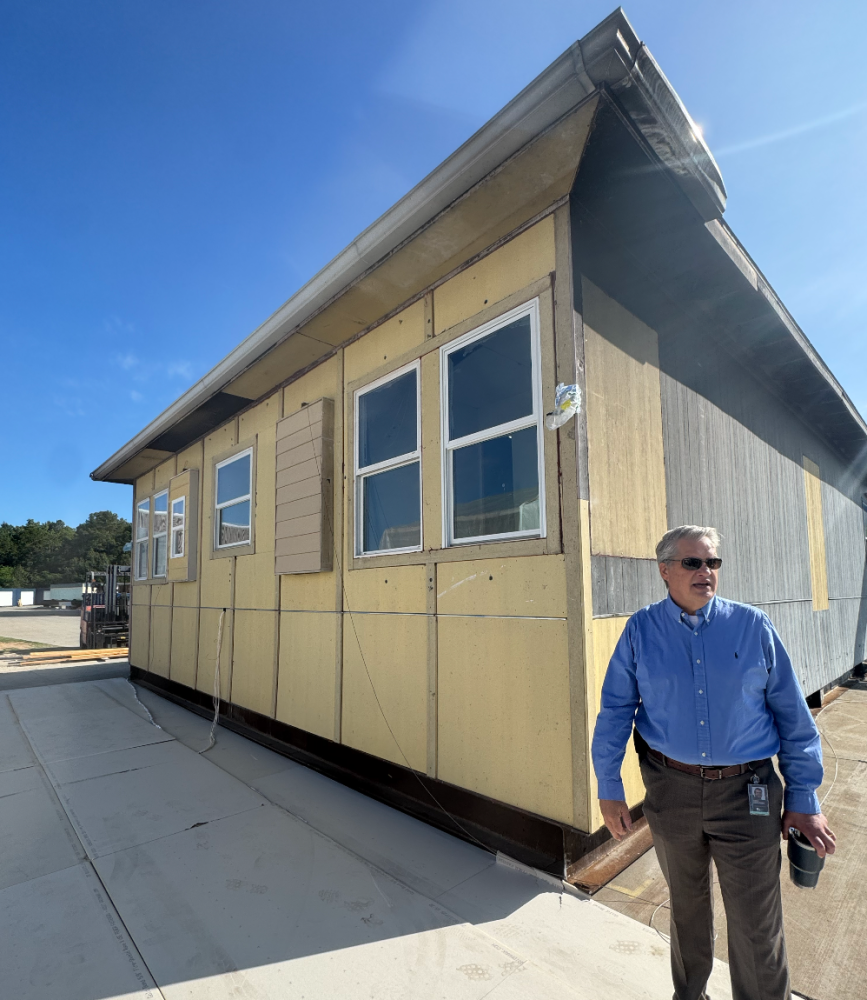
Gregory Andersen, the IBHS Codes and Standards Engineer, giving a tour of the windows and siding of the Wildfire Prepared Plus structure.
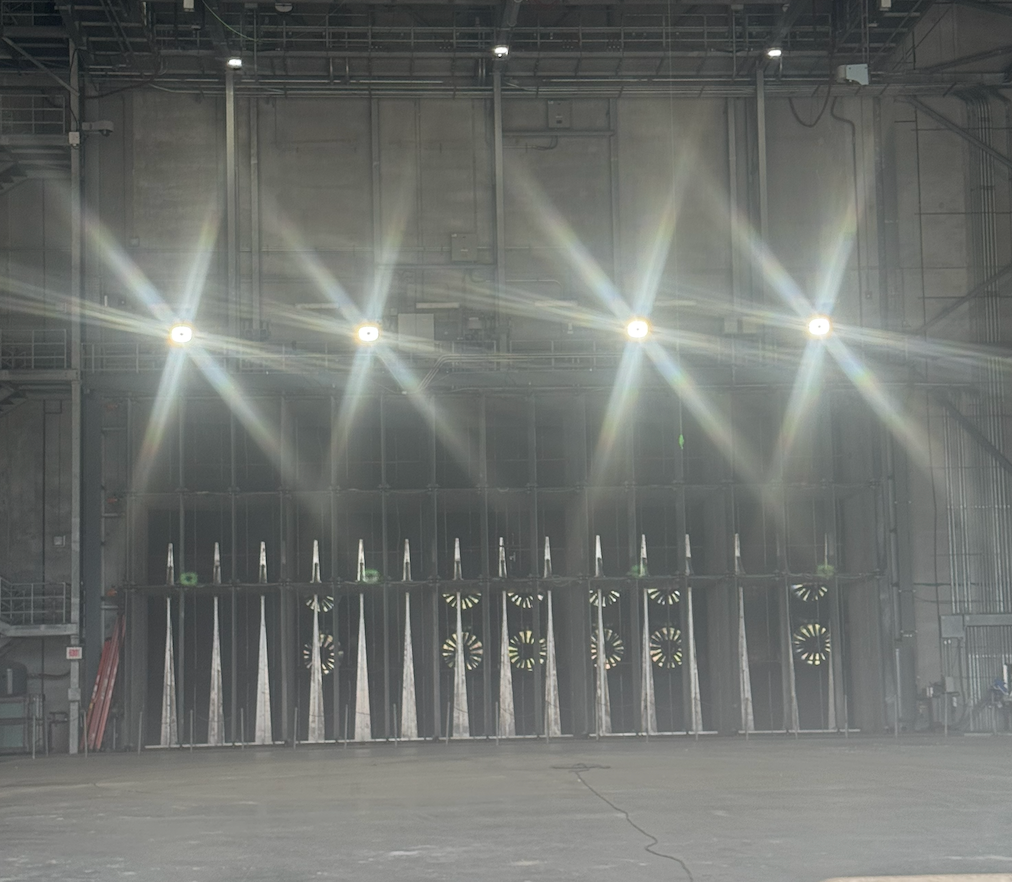
The wind tunnel at IBHS to simulate high wind events
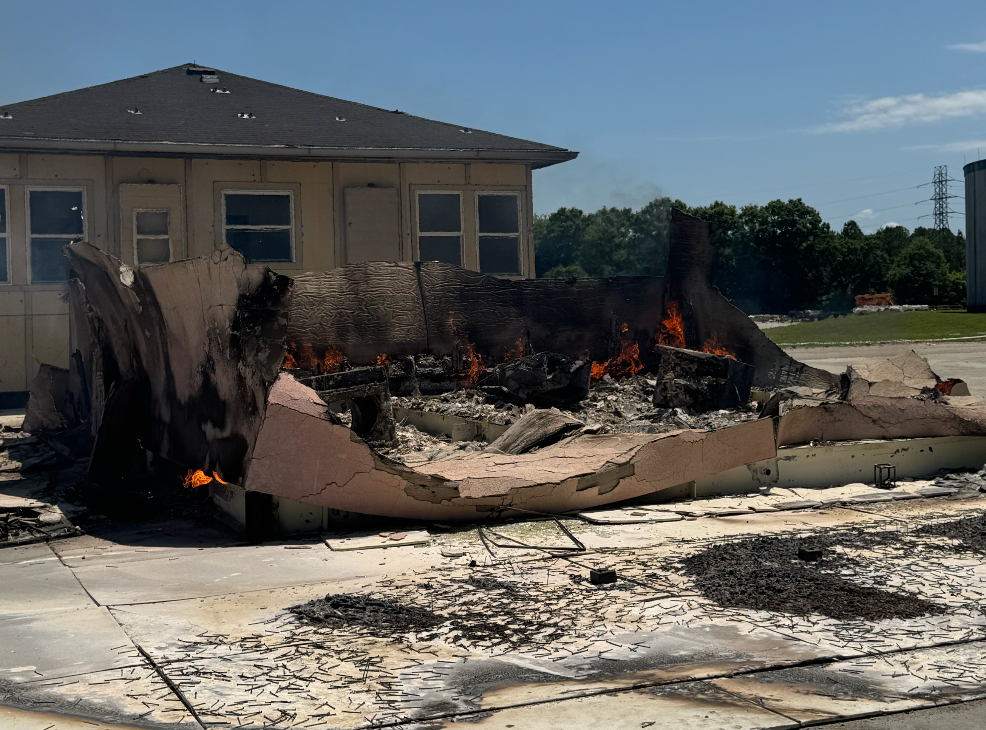
After the research burn, observing the IBHS Wildfire Prepared Plus structure intact.
